Arnaud Compas · Nexus Azeo
It was an overcast morning in Châteauneuf-du-Pape—the kind of day that seems to suspend time. I found myself amid a vineyard where the cool scent of rain mingled with the rich, earthy aroma of freshly turned soil. A weathered worker, his hands etched with the history of his craft, was carefully preparing the land for another day of nurturing ancient Grenache vines. Beneath his feet lay layers of galets roulés—smooth, rounded stones that store the day’s warmth and gently release it into the night. In that quiet, reflective moment, every sip of Châteauneuf-du-Pape appeared as a heartfelt tribute to its origin—a living narrative woven from nature’s raw elements and human passion. It is this deep connection to place that transforms wine from a mere beverage into an expressive, soulful work of art.Economic .Pressures on Wine Wine Authenticity Crisis
Understanding the Deep Connection to Place
The character of a wine arises from an intricate symphony of factors—soil composition, microclimate, altitude, and even the hidden ecosystem of vineyard microbes. These elements work together to shape the growth of the grape, ultimately lending each wine its unique flavour, aroma, and texture.
Take, for instance, Champagne’s chalky soils. They do far more than support vine roots; they imbue sparkling wines with a distinctive minerality and a refreshing crispness. In contrast, the volcanic soils of Mount Etna not only nourish the vines but also impart red wines with a subtle smokiness and an intense vibrancy—a direct conversation with the very earth. Similarly, the vineyards of Marlborough in New Zealand and those of Sancerre in France each craft their own story through Sauvignon Blanc: one sings with tropical exuberance, the other resonates with a resolute, flinty character (Oeno One, 1, Oeno One, 2).
Yet, this connection to place transcends mere measurable factors. As discussed in Wine and Place: A Terroir Reader by Tim Patterson and John Buechsenstein, it is also a cultural inheritance—a poetic archive of history, tradition, and the labours of generations (Wine and Place). It is where nature and nurture merge—a harmonious blend composed by the land and brought to life by those who lovingly tend it. Wine Without Place: A Soulless Commodity Not Worth Drinking
The Significance of a Wine’s Sense of Place
A wine that is deeply rooted in its origin is far more than a drink; it is a cultural artefact—a sensory map of the land from which it hails. Every glass invites us on a journey, capturing the spirit and history of a landscape. This is why winemakers who prize authenticity guard the integrity of their craft. In an era marked by mass production and fleeting market trends, preserving the unique identity of a wine is paramount. As Matt Kramer aptly declares in On Wine, “great wines express their sense of place” (Wine Berserkers). Here, the soul of a wine is inextricably linked to its environment, its history, and the visionary craft of its makers.Economic Pressures on Wine Wine Authenticity Crisis
Wine Without Place: A Soulless Commodity Not Worth Drinking
The Challenges Facing a True Connection to Place ine Without Place: A Soulless Commodity Not Worth Drinking
Climate Change: Disrupting Nature’s BalanceWine Without Place: A Soulless Commodity Not Worth Drinking
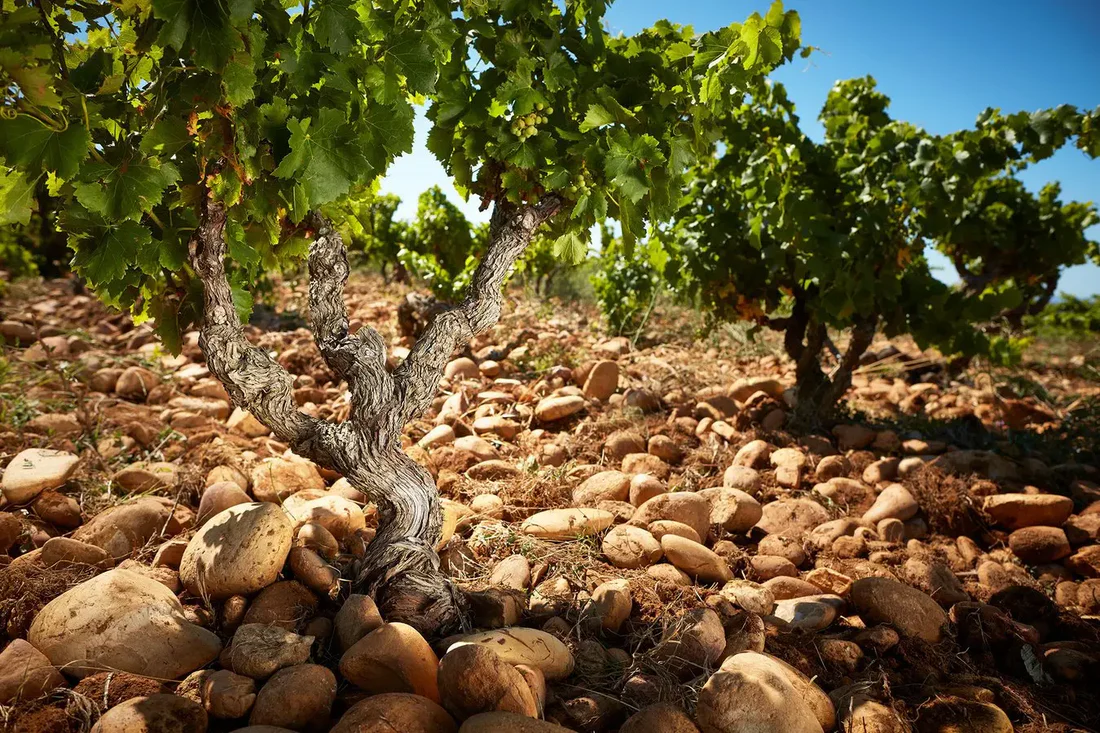
Global warming is rewriting the delicate script that underpins the character of many vineyards. In Bordeaux, rising temperatures have begun to upset the balance of Merlot, pushing the grape toward overripeness and stripping the wine of its nuanced character. In Burgundy, vintners are experimenting with refined canopy management and controlled water stress to preserve the signature acidity and finesse of their wines (Oeno One, 1, Oeno One, 2). This challenge goes beyond scientific parameters—it is a cultural struggle to maintain the identity of regions steeped in winemaking tradition.
Modern Winemaking: Efficiency Versus Authentic Expression
Contemporary techniques—using oak chips, acidification, and high-tech fermentation—can bring consistency and efficiency. However, such interventions sometimes mask the natural expressions of the land, reducing what could be a rich, complex symphony into a single, uniform note. When technological shortcuts override nature’s subtle signals, the wine risks becoming a generic product, stripped of its intricate narrative.Economic Pressures on Wine Wine Authenticity Crisis
Market Forces and Cultural Erosion
A further challenge is the gradual erosion of wine culture itself. In many markets, consumers are inundated with average, uninspired wines. This constant exposure not only dulls the palate but also creates a cycle where the appreciation for wines that truly express their origin is stifled. Without a passionate and informed wine culture, even the most exceptional bottles struggle to find an audience.
Adding to this challenge is a shortfall in visionary leadership among some producers. When winemakers lose touch with the essence of their land, their wines reflect that absence of passion. External pressures—such as steep taxes, rising operational costs, and speculative market forces—often force producers to prioritise commercial viability over quality. These economic constraints not only drive up prices but also diminish customer expectations, making it harder for expressive wines to break through in a crowded market.
The Homogenising Pressure of Globalisation
Globalisation tends to push towards uniformity, often favouring styles that appeal to a broad audience. In a market dominated by heavily oaked Chardonnays, the unique voice that speaks of a wine’s origin risks being silenced. Yet, in regions like Santorini, tradition stands as a defiant beacon. Here, vines are meticulously trained in ancient basket shapes to protect them from harsh winds, ensuring that the character of Assyrtiko—shaped by saline breezes and mineral-rich soils—remains vivid (Wine and Other Stories, LinkedIn). This commitment is a passionate stand for authenticity—a balance between nature, cultural heritage, and the pressures of modern markets.
Living Examples of a Deep Connection to Place
Barolo (Italy): In the fog-draped hills of Langhe, Nebbiolo sings with high acidity, robust tannins, and delicate hints of tar and roses. The interplay of calcareous clay soils and a cool climate is woven into Barolo’s identity—a living tribute to the art and soul of its place.
Napa Valley (USA): The diversity of Napa Valley is striking. From the volcanic soils of Howell Mountain to the alluvial plains of Rutherford, each subregion crafts Cabernet Sauvignons that echo the distinct nuances of their environments. Even in modern wine regions, the unique voice of place remains clear and compelling.
Santorini (Greece): On this volcanic island, tradition acts as a shield against both nature’s forces and market pressures. Vines, nurtured in age-old basket formations, withstand harsh winds and salt-laden air, producing Assyrtiko wines that are vibrant, mineral-rich, and unmistakably authentic.
Envisioning the Future: Sustaining the Connection to Place
To ensure that wine continues to be a genuine expression of its origin, a multi-faceted approach is essential:
Sustainable Viticulture:Embracing organic and biodynamic farming is crucial—not as fleeting trends but as enduring practices that sustain soil vitality and maintain the natural balance of vineyards. These methods form the foundation for preserving the ecological integrity upon which authentic wine is built (Oeno One, 2).
Respect for Tradition:While modern innovations are valuable, they must complement rather than overshadow traditional techniques passed down through generations. These time-honoured practices are key to capturing the true essence of a wine’s origin.
Cultivating Vision and Revitalising Wine Culture:A vibrant wine culture is as essential as the land itself. Visionary winemakers who are deeply connected to their place craft wines that resonate with authenticity. Educating consumers to appreciate these unique expressions is vital in breaking the cycle of exposure to average, uninspired wines.
Addressing Economic Pressures:Recognising and mitigating the economic challenges—excessive taxation, soaring operational costs, and speculative market forces—is imperative. A collaborative effort among industry stakeholders, policymakers, and communities is needed to create an environment where quality winemaking is both celebrated and sustainable.
Wine as a Liquid Geography: A Final Reflection
At its core, wine is a liquid geography—a sensory map of its origin, intricately composed of the land, climate, and human spirit. Preserving this deep connection to place is essential to protecting the soul of a wine. In a world increasingly driven by market pressures and homogenising influences, a steadfast commitment to authenticity is a passionate manifesto. Every glass should be a celebration of its unique, irreplaceable heritage—a reminder of the intimate dialogue between nature and human creativity.
References
Joy of Wine Journeys: Why is Terroir Important for the Wines of France?
Oeno One Article on Terroir Studies
Oeno One Article on Measuring Terroir
Wine and Place: A Terroir Reader by Tim Patterson & John Buechsenstein
WineAlchemy: Italy’s Native Wine Grape Terroirs by Ian D’Agata
Wine Berserkers: On the Primacy of Terroir in Enjoying Wine
Wine and Other Stories on Terroir and Soil Minerality
LinkedIn: Balancing Science and Sense of Place in Wine
ARENI Global: Is Sense of Place the New Terroir?